Underfloor heating is no longer limited to new builds or major renovations. With modern installation techniques, it’s now a realistic option for many existing homes, including those with concrete floors and traditional heating systems.
Below, we answer the six most common questions homeowners ask when considering underfloor heating, clearly and honestly.
1. Can underfloor heating be retrofitted into an existing home?
Yes – in most cases, underfloor heating can be retrofitted successfully.
Older systems often required removing floors or adding thick screed layers, which made retrofitting disruptive and impractical. Today, modern low-profile and milled systems allow underfloor heating to be installed into existing homes with minimal disruption.
Retrofit underfloor heating is commonly installed in:
- ground floors with concrete or screed
- extensions and renovations
- older properties with cold floors
- open-plan living spaces
A professional assessment is essential, but many homes previously considered unsuitable are now ideal candidates.
2. How does milling work on a concrete slab?
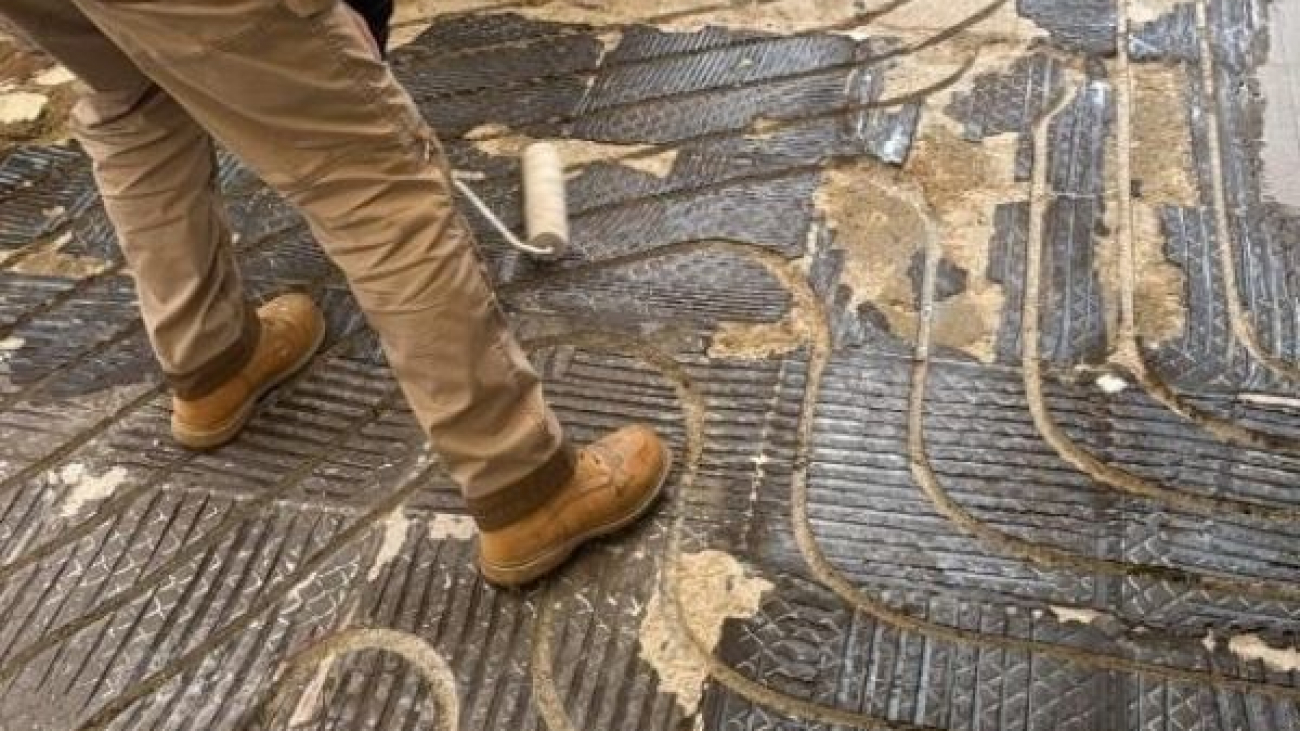
Concrete floor milling is a precision technique that allows underfloor heating pipes to be installed directly into an existing concrete or screed slab.
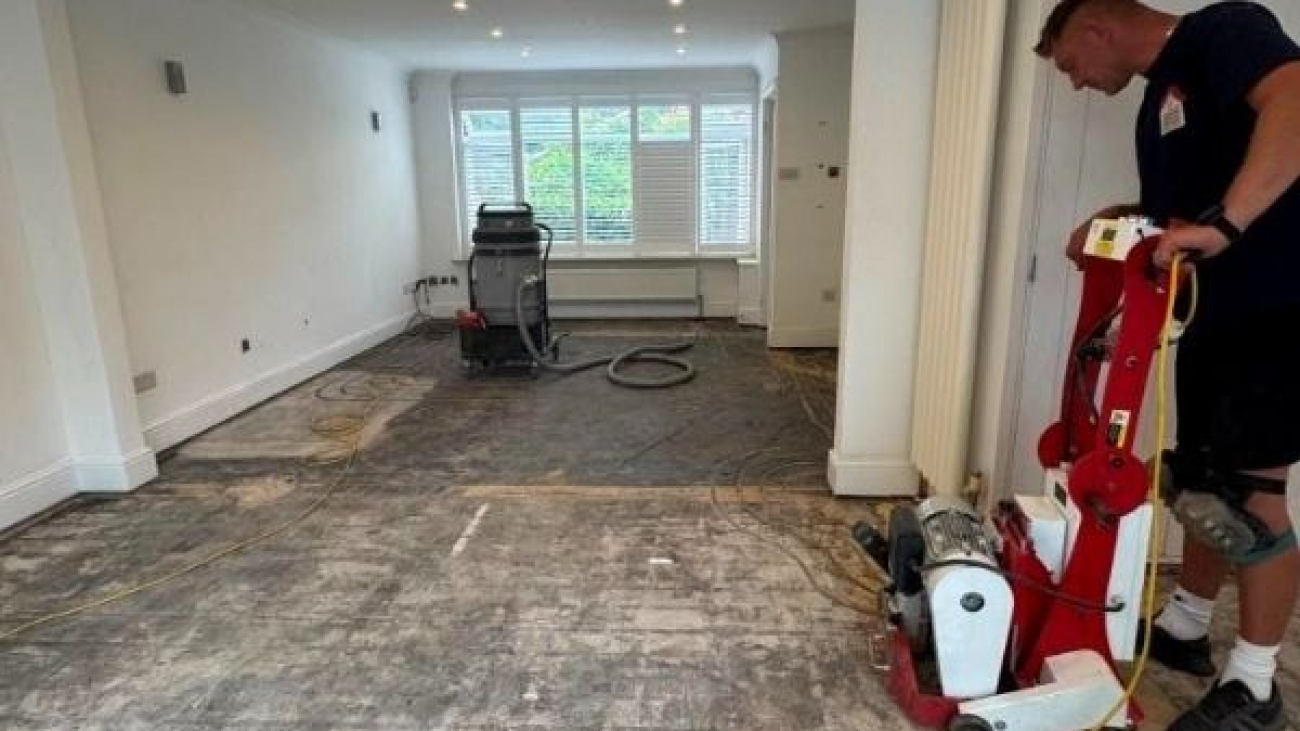
Using specialist machinery, narrow, depth-controlled channels are cut into the slab surface. The heating pipes are laid into these channels, pressure-tested, and sealed, leaving the floor ready for the final finish.
Key benefits of milling on a concrete slab include:
- no increase in floor height
- no removal of the existing slab
- faster heat transfer due to shallow pipe depth
- clean, controlled installation with minimal dust
This method is one of the most effective ways to install water underfloor heating on existing concrete floors.
3. Is underfloor heating expensive to run?
In most cases, underfloor heating is cheaper to run than traditional radiators.
Underfloor heating operates at lower water temperatures (typically 35–40°C), while radiators often require 65–75°C. Because heat is distributed evenly across the entire floor, rooms stay comfortable at lower thermostat settings.
When correctly designed and installed, homeowners often benefit from:
- reduced energy consumption
- more stable indoor temperatures
- improved efficiency with heat pumps or modern boilers
4. Can you install water underfloor heating on an existing concrete floor?
Yes, water underfloor heating can be installed on existing concrete floors using the right installation method.
Milled systems allow water pipes to sit within the concrete slab rather than above it, creating a low-profile system that delivers fast, even heat without affecting door heights, skirting boards or thresholds.
Once installed, the system connects to a manifold and thermostats just like any other wet underfloor heating system – but with improved responsiveness due to pipe proximity to the surface.
5. Can underfloor heating be added to an existing heating system?
Yes, underfloor heating can usually be added to an existing heating system!
In many homes, underfloor heating operates alongside radiators using the same heat source. A mixing unit or control system is used to reduce the water temperature for the underfloor heating circuit, while radiators continue to operate at higher temperatures if required.
This approach allows homeowners to:
- upgrade specific rooms or floors first
- improve comfort without replacing the entire heating system
- transition gradually toward low-temperature heating
Underfloor heating can also be integrated with heat pumps, making it a flexible option for future sustainable upgrades.
6. How much does it cost to retrofit underfloor heating?
The cost of retrofitting underfloor heating depends on several factors, including:
- total floor area
- number of heating zones
- condition and depth of the concrete slab
- manifold and control requirements
- whether it’s being added to an existing system
While retrofit underfloor heating may cost more upfront than radiators, it often delivers long-term savings through lower running costs and improved efficiency.
Milled systems are typically more cost-effective than removing floors or pouring new screeds, especially when time, disruption and additional building work are considered.
Final thoughts
Modern underfloor heating is far more accessible than many homeowners realise. With techniques like concrete floor milling and flexible system integration, it’s now possible to add efficient, low-profile heating to existing homes — without major renovation work.
The key is correct design, professional installation, and choosing a specialist who understands both the heating system and the structure of your home.
Get a free underfloor heating assessment
If you’re considering underfloor heating and want clear advice on what’s possible in your home, our team can help. Get in touch today for a free underfloor heating assessment!